


Spiritual Wellness: What Is It And How To Improve It?
Spiritual wellness shows up in unglamorous places. A walk taken without headphones. Ten slow repetitions of a mantra before bed. The smell of a room you have just cleared with smoke, and the odd lightness that follows.
It has to do with meaning — whether the day was worth having — and unlike blood pressure it comes with no number you can check. Body, mind, and spirit do not sit in separate rooms either: a bad month at work lands in your shoulders, and a sleepless night quietly rewrites what you believe about yourself.
- Spiritual Wellness – What is it?
- What Advantages does Spiritual Well-Being Offer?
- Activities to Uplift Your Mind, Body, and Spirit
- Bottomline
- Conclusion
- FAQs
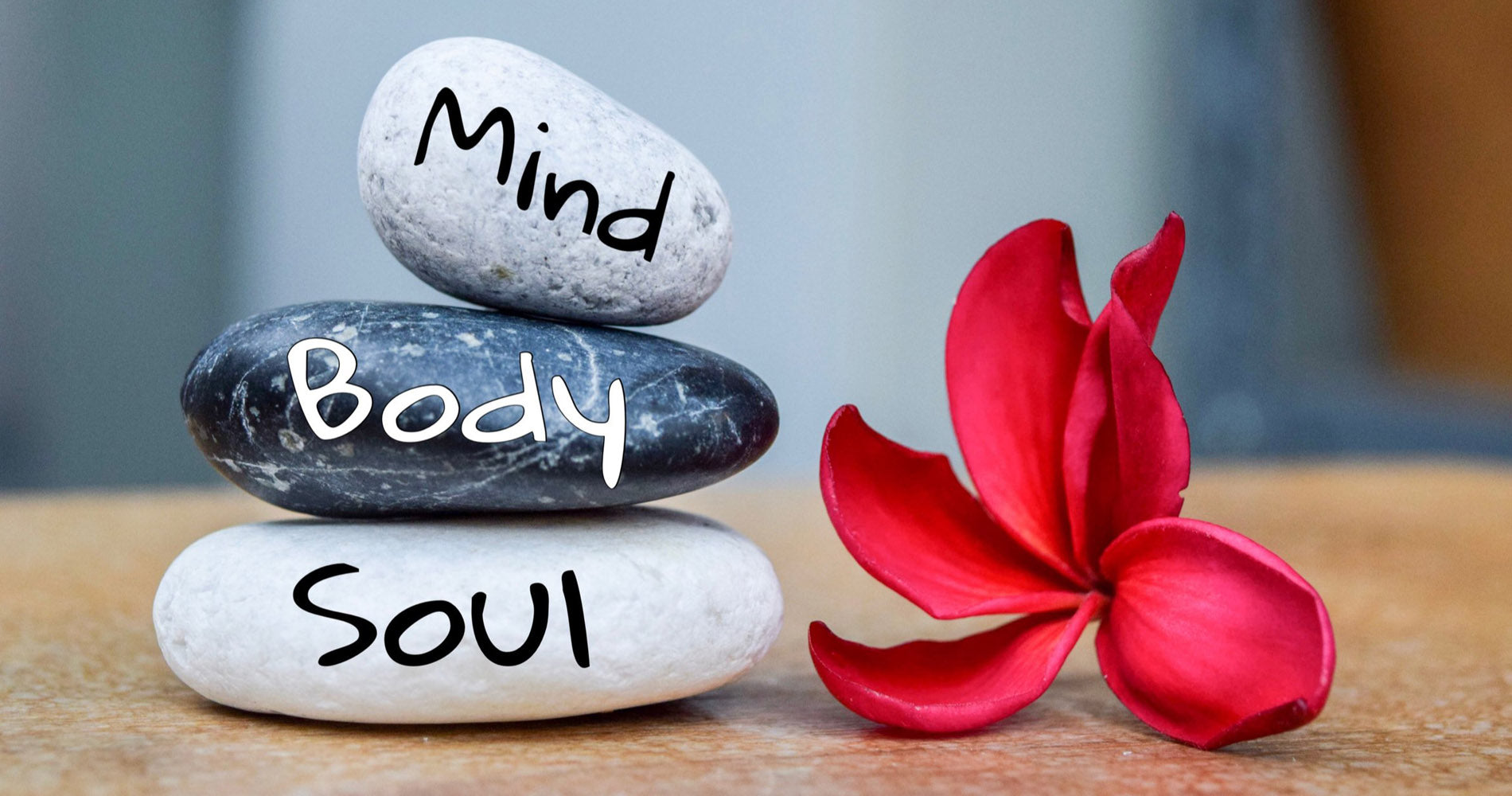
Spiritual Wellness – What is it?
Ask five people and you will get five routes, but they tend to arrive at the same two questions: what your life is for, and whether you can say yes to it. Organized religion answers both with a framework already built — scripture, prayer, a community that expects you on Sunday. None of that is required. The work is the same in a pew or on a hiking trail: notice what you believe, test it against how you actually behave, and revise.
That is the whole definition, which is why a hard week can put a dent in it and one honest conversation can repair it. Prayer, yoga, meditation, a long look at your own values — every one of them is a route to spiritual wellness, and none of them is the route.
What Advantages does Spiritual Well-Being Offer?
People who describe themselves as spiritual report a steadier sense of purpose, a calmer baseline, and a clearer read on their own feelings. Wester, quoted on the subject, put the last one bluntly: spirituality can supply hope in moments when nothing about the situation justifies it.
The social side matters too. Chanting, sitting, or praying alongside other people makes a week less lonely, and ritual gives grief somewhere to go instead of asking it to wait. It also makes peacemaking more likely — with another person, or with a year you would rather not discuss.
Activities to Uplift Your Mind, Body, and Spirit
No two people end up with the same list. What matters is that the practice speaks to you, so take what fits and leave the rest on the page. The seven below are the ones people keep up, and none needs a membership.
1. Take a Walk in Nature
Half an hour of walking a day is enough to lower your risk of the serious chronic conditions, and outdoors it does a second job: light, distance, and something to look at that is not a wall. A park path or a hiking trail beats a treadmill for this one.
Before you leave, rate body, mind and spirit from 1 to 10 and write the numbers down.

Then walk slowly, stopping whenever something is worth stopping for. Breathe deep, sitting on a bench if you would rather. Let thoughts arrive and leave without chasing them to a conclusion. What you are listening for is outside yourself: wind on your face, wet earth after rain, birds with no interest in your schedule.
Rate the same three when you get home. Most people find the second set has moved.
2. Use Healing Crystals
Crystals are minerals with a fixed internal lattice, and that lattice is what bends light, holds a charge, and gives each stone its colour. Crystal healing takes those facts and keeps going: if a stone can hold an electric charge, the reasoning runs, it can affect the charge moving through a body.
Poets and priests have used crystals as emblems of purity and endurance for centuries, and holding an object that stands for something steadier than your current mood does change how you sit with a bad afternoon.

Seen from the intention-based angle mindfulness meditation runs on, a stone simply gives attention somewhere to land. Believers report lighter moods; skeptics report a nicer desk.
Eight stones cover most of what people come for, and all of them turn up in the jewelry collection if you want to handle one before deciding.
- Clear quartz: the generalist, kept for level chakras and used to amplify whatever sits beside it.
- Citrine: the money stone, also reached for when a decision has stalled.
- Green Aventurine: the luck stone people carry into a new job or a first venture.
- Amethyst: for quiet, and for sitting longer than you planned to.
- Moonstone: for weeks when feelings run ahead of you and need evening out.
- Turquoise: often worn for clear speech, it is the stone people reach for when they need to say something difficult.
- Black tourmaline: the cleaner of the list, used on rooms as much as on people.
- Rose Quartz: for the softer end of love — patience with relatives, and with yourself.
3. Practice Spiritual Habits
Yoga and meditation come up first, and for once the popularity is earned: both are free, both survive being cut to ten minutes, and both have been studied long enough that you do not have to take them on faith.
Yoga means union, and the union is between mind, body, and breath. No class is required — a strip of floor and three simple shapes will do — but the benefits compound with regularity rather than effort.

Meditation runs the other way round: meditation settles the body, quiets the mind, and leaves you better acquainted with your own reactions. Twenty minutes is generous; five is enough to notice. What you are practising is the return — catching yourself drifting, and coming back without commentary.
4. Purify Yourself and Your Home Through the Ancient Art of Smudging
When a room feels heavy, the usual cause is accumulation rather than anything invisible: unfinished conversations, a screen that never went dark, a chair nobody sits in. Smudging works on the room itself, and on whoever is standing in it.
The practice comes from Native American traditions and uses the smoke of dried herbs — sage, cedar, sweetgrass — moved from the doorway inward. The claim is that the smoke lifts what has settled. There is a modest scientific footnote too: burning sage releases negative ions, and studies have linked negative-ion exposure to better mood.
A bundle of smudge sticks and a fireproof dish is the whole kit. Open a window first and let the smoke leave the way you came in.
5. Self-reading Tarot or Oracle Cards
The subconscious deals in pictures — that is why dreams arrive as scenes rather than arguments. A tarot deck is a stack of pictures you can handle while awake, which makes it a way to talk with the wordless part of yourself.
Read for yourself and the honest use is narrow: lay three cards, say aloud what you see, and note which of your own reactions surprises you. Patterns laid down by old experience are almost impossible to see from inside them, and a picture gives you somewhere to stand.
6. Full Moon Singing Bowls
A full moon singing bowl is made once a month, on the night of the full moon, and the timing is deliberate: the bowl is meant to hold something of that night. What you get is a low, long tone, the register that makes sitting still easy.
Play it the way it is played in a meditation hall — one strike, then listen until the sound goes. Full moon singing bowls are the version to look for if that low register is what you want.

7. Spiritual Chanting
Chanting is vibration you make on purpose. The six syllables of Om Mani Padme Hum are the usual starting point: short, easy to pronounce, and traditionally repeated without translating them in your head. Say it five or ten times a day and notice where in the chest the sound lands.
A chant occupies the part of the mind that would otherwise be rehearsing tomorrow's argument.
Bottomline
Your practice will look nothing like your neighbour's, and that is not a failure of method. Choose the two or three entries above you would still do on a bad day, and drop anything that feels like homework — a practice you dread is one you quit in March. The measure is not intensity but whether the thing keeps happening.

Conclusion
Read the list again and one thing stands out: none of it needs belief to work. Three numbers written before a walk and three after, eight stones handled once, a bowl struck once in a quiet room.
What accumulates is not a verdict on any week but a habit of asking, a few times a year, what the years are for and whether you would still put your name to how you spent them.
FAQs
How is spiritual wellness different from mental health?
They overlap and they are not the same. Mental health is about how your mind is functioning — mood, anxiety, sleep, thinking. Spiritual wellness is about meaning and connection: whether your days add up to something you recognise as yours. You can be in good mental health and still feel that a year has gone missing.
Do crystals need to be cleansed or recharged?
Most people who work with them say yes, and the methods are ordinary: running water, a night on a windowsill, or resting the stone on a larger piece of quartz. A stone absorbs what it has been sitting in, they say; the ritual also makes you pick the thing up.
Can I practise if I do not believe in energy?
Yes. Treat the practices as behaviour rather than metaphysics and they still work on the same terms: a walk changes your mood, a slow breath changes your heart rate, a chant crowds out rumination. Belief is not the entry requirement — repetition is.
Can I smudge in a small apartment?
A few wisps are plenty, so keep the bundle small and hold it over a dish rather than walking with it lit. Crack a window, and put the bundle out in sand or a closed jar when you are done. If your smoke alarm is the sensitive type, check the model before you start.

