


SELF-CARE & CONFIDENCE
SELF-CARE & CONFIDENCE Jewelry
Rose quartz is the stone most people recognize on sight: opaque, faintly pink, warm before it has been worn for a minute. Lapis lazuli is its opposite, deep blue and flecked with gold pyrite, cool and heavier than its size suggests. The SELF-CARE & CONFIDENCE collection sets those two beside phoenix, wave, and circle motifs, and the result is jewelry that is less about ornament than about what a person says to themselves on a hard Tuesday.
Below: what each stone is chosen for, the symbols cut into the designs, who the line suits, how it fits into a week, and the short list of things that will damage it.
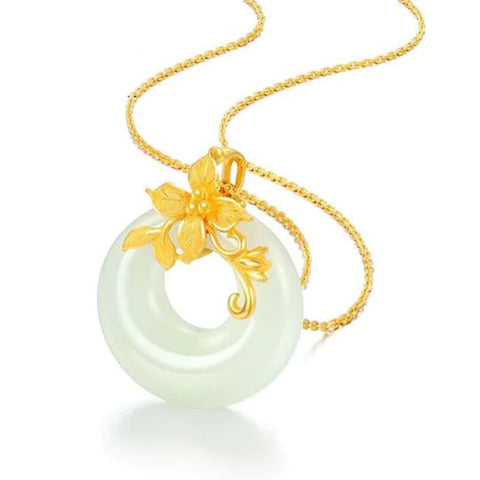
- SELF-CARE & CONFIDENCE Jewelry
- How Does SELF-CARE & CONFIDENCE Jewelry Enhance Personal Well-being?
- Who is the Ideal Wearer of SELF-CARE & CONFIDENCE Jewelry?
- Benefits Most from Wearing SELF-CARE & CONFIDENCE Jewelry
- Two Ways to Wear the Line: Casual and Layered
- Keeping Rose Quartz and Lapis Looking Their Best
- Conclusion
- FAQs
How Does SELF-CARE & CONFIDENCE Jewelry Enhance Personal Well-being?
Emotional Support Stones
Two stones carry most of the emotional work in this collection, and they are picked for different jobs.
- Rose Quartz: The pale pink variety is the one people keep for the way they talk to themselves rather than for anyone else. It is a soft stone that scratches if it shares a drawer with metal, which is why it turns up in bracelets and flat pendants, the pieces a hand can close around, instead of in rings.
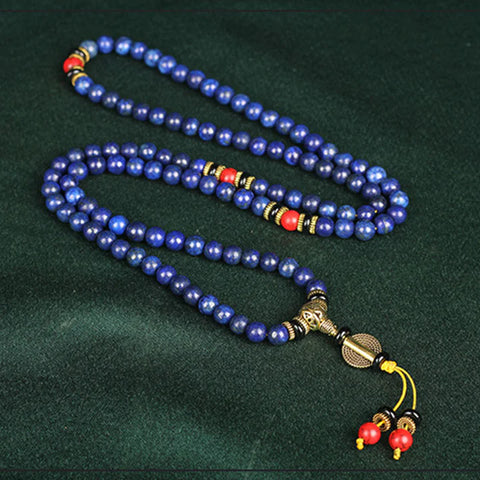
- Lapis Lazuli: Deep blue with gold flecks, and one of the oldest stones still in use; it was ground into pigment for centuries before anyone set it in metal. A lazurite mala that wraps twice at the wrist or hangs as one long strand suits a stone this dense, and it is the piece people reach for when they want something to hold while they think.
Inspirational Designs
The motifs here are carved, not printed, and each one was chosen for something specific a wearer might be in the middle of.
- The Phoenix: A bird that burns and comes back is the bluntest statement of recovery there is — worn for the year that knocked someone down and the year they stood up again.
- Where It Appears: Engraved into a pendant or worked into a small brooch, normally with the wings folded, so the bird reads as resting rather than in flight.
- Waves: Water that keeps moving whatever the weather. The rises and falls are not a fault in a life; they are the ordinary shape of one.
- Where It Appears: A fluid, rippling line along a bracelet or a chain, sometimes set with blue stones so the meaning is legible without a caption.
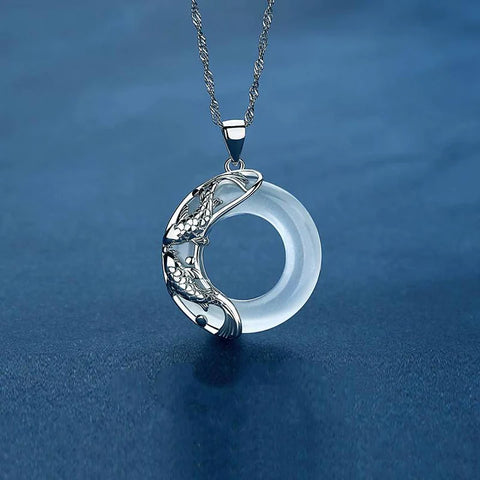
- Circles: The shape everyone reads as continuity. No start, no finish, nothing left open.
- Where It Appears: Hoops, round pendants, and the band of a ring. The circle repeats through the collection on purpose, and it is the one motif that has never needed explaining.
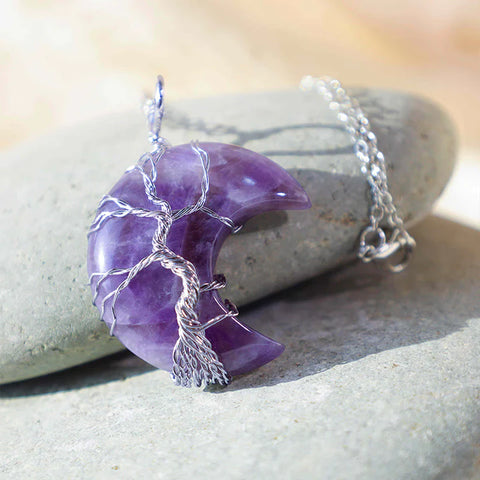
- Natural Elements: Leaves, trees, and flowers, the oldest shorthand there is for growth, and for staying connected to where you came from.
- Where It Appears: Leaf-shaped earrings, tree-of-life pendants, floral banding on rings. Small reminders that a person grows the way a plant does, slowly and in one direction.
Every motif is doing the same job: giving a private intention a shape other people can see. Nobody has to be told what a phoenix pendant means, and that is exactly why it gets worn.
Who is the Ideal Wearer of SELF-CARE & CONFIDENCE Jewelry?
Anyone Seeking Personal Growth
Whether someone is starting a course, leaving a job, or simply trying to be less unkind to themselves, these pieces give the effort an object to hang on.
People in Transition
It is bought most often for a career change, a move, or the end of something, and worn by people who want a reminder within reach rather than buried in a notes app.
Gift Givers
Some pieces are chosen for other people: a friend in a hard month, a daughter starting out, a colleague handed more than they asked for.
Professionals Seeking Empowerment
In rooms where confidence is read as competence, a lapis piece under a shirt cuff is not decoration. It is something familiar to touch while a question is being answered.
Benefits Most from Wearing SELF-CARE & CONFIDENCE Jewelry
Whoever the piece belongs to, the benefit lands in the same three places.
The First Ten Minutes of the Day
A bracelet goes on before the phone comes off the charger. Getting that order right changes more of a morning than any affirmation does.
The Hours That Ask for Composure
Presentations, interviews, hospital waiting rooms, difficult phone calls. A stone you can find with a fingertip is a fixed point when everything else is moving.
The Evening Version of Yourself
Rose quartz is the stone most often worn at night, for a plain reason: the last conversation of the day is usually with yourself, and it tends to be the harshest one.
Two Ways to Wear the Line: Casual and Layered
Casual Elegance: A single small stud or one thin pendant does enough for a plain shirt, and neither gets in the way while you work.
Layered Looks: Stack two bracelets on one wrist, or hang two chains at different lengths. The stones are all cool-toned, so nothing fights, and the extra weight makes the stack sit still instead of sliding.
Keeping Rose Quartz and Lapis Looking Their Best
Rose quartz, lapis lazuli, and the metals in this line each dislike one thing, and almost all damage comes from those three.
Routine Cleaning
- Regular Wiping: A soft dry cloth once a week lifts skin oils and keeps the shine on the metal. Both stones scratch, so wipe them before anything abrasive goes near them.
- Avoid Harsh Chemicals: No chlorine, no ammonia cleaners, no hairspray. Take the piece off before a pool, a cleaning session, or a spray of perfume. Gold-filled layers dull long before they wear through.
Proper Storage
- A Drawer, Not a Sill: Rose quartz and lapis fade slowly in sunlight, so keep the piece in a drawer rather than on a windowsill, and away from a radiator.
- One Pouch Each: Metal scratches stone and stone scratches metal. A pouch per piece, or a box with dividers, stops the surfaces from polishing each other down.
Handling Precautions
- Careful Handling: Pulling a chain by the pendant is how jump rings open. Hold the chain, work the clasp with your fingertips, and take a ring off by the band rather than the stone.
- Wear with Consideration: Gym sessions, gardening, and moving boxes are the three things that break jewelry. Take the piece off first; none of these designs is built for impact.
Conclusion
What the collection offers is small, and it is meant to be: a stone that keeps a private intention visible, a symbol that saves you from having to explain it, and a format light enough to wear every day.
Choose the stone for what you are actually dealing with, put it on in the morning, and take it off before the gym. The rest, the motifs and the meaning, is yours to decide rather than the jeweler's.

FAQs
Should a mala be worn on the left wrist or the right?
Tradition varies and nothing enforces it: some practices favor the left, some the right, and this one wraps either way. Pick the wrist you notice, which for most people is the hand they write with.
Why is some lapis lazuli bluer than others?
Lapis is a rock rather than a single crystal, and it is graded by how much lazurite it carries and how little calcite. An even, deep blue with pyrite flecks is the top grade; paler stones hold more calcite. The mala here uses lazurite, the mineral that gives lapis its color.
Is the colour in these stones natural or enhanced?
Look at the pits and cracks. In a dyed stone the color pools darker in them and matches the surface too exactly. A natural stone is uneven under the surface: lapis carries patches of white calcite, and rose quartz drifts from milky to clear.

